Obstructive sleep apnea (OSA) is a condition in which your airway becomes partially or completely blocked during sleep, causing repeated pauses or reductions in breathing. These interruptions can lower oxygen levels and disrupt normal sleep, often without you realizing it.
Could My Symptoms Be Sleep Apnea?
Not everyone has the same sleep apnea symptoms. Other common signs include:
- Loud snoring
- Waking up with a dry mouth or sore throat
- Difficulty concentrating during the day
- Feeling tired even after a full night of sleep
- Daytime irritability or mood changes
If your partner has noticed loud snoring or pauses in your breathing, or you often wake up tired, ask your physician or sleep specialist whether a sleep study makes sense for you.
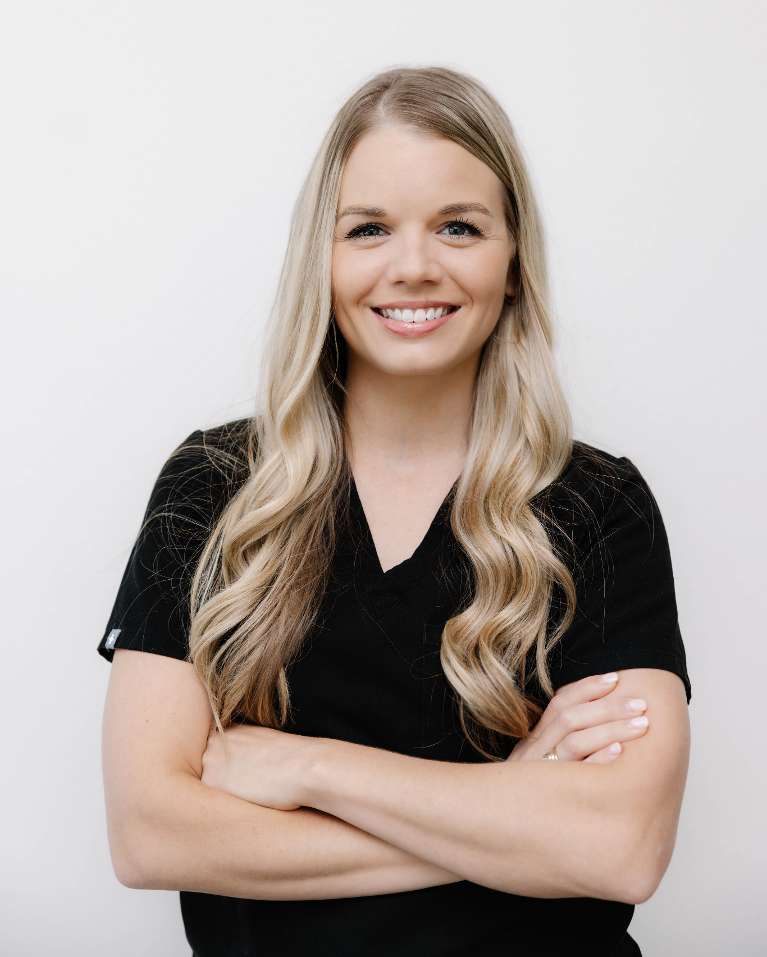
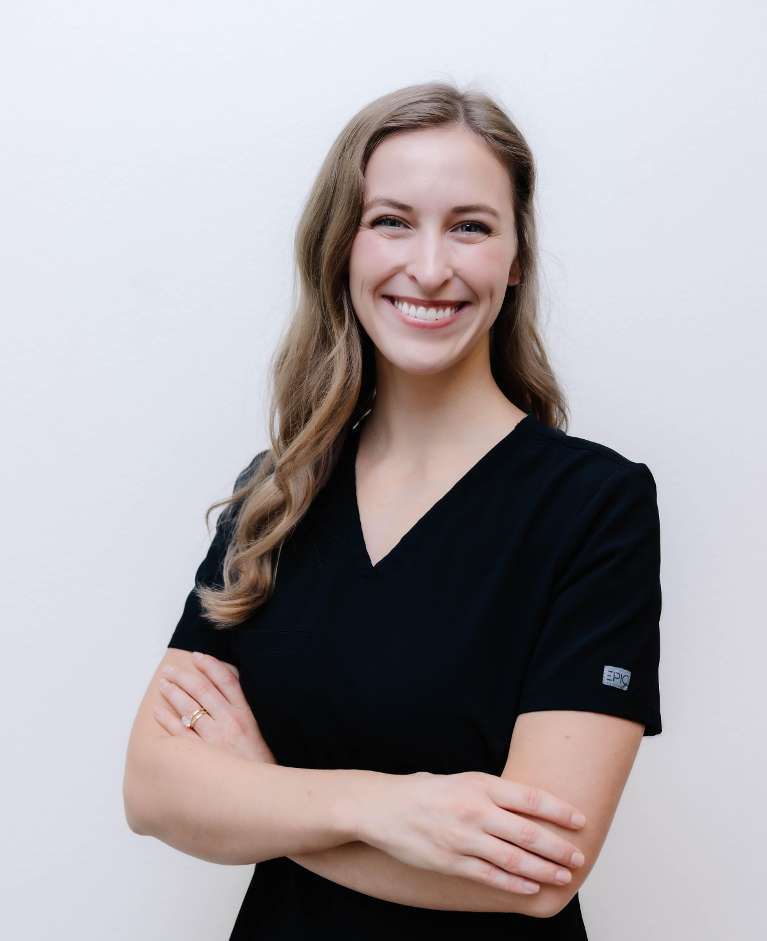
What happens at your visit with Dr. Craig?
Talk through your options. At your first visit, Dr. Craig will ask about your diagnosis, what you’ve tried, and what’s been difficult. She’ll examine your teeth, jaw, and bite and discuss whether an appliance may be right for you. You’ll have time to ask about cost and how many visits to plan for.
Get a custom fit. If an appliance is appropriate and you decide to move forward, Dr. Craig will take digital impressions. At a later visit, she’ll fit the appliance and show you how to wear it.
Check how it’s working. At follow-up visits, Dr. Craig will check the fit, ask about comfort or bite changes, and make adjustments as needed. Your sleep physician can arrange follow-up testing to see how well the appliance is treating your sleep apnea.
How is sleep apnea diagnosed?
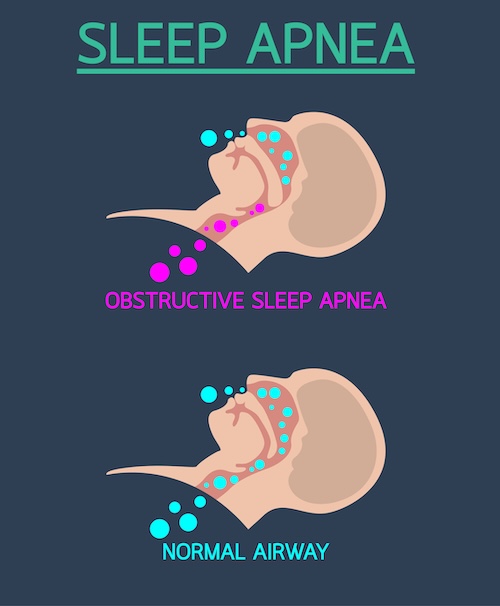 Sleep apnea is diagnosed through a sleep study, which may be performed overnight in a sleep lab or, for some patients, at home under the direction of a medical provider. The test monitors breathing, oxygen levels, and sleep patterns to determine if you have OSA and how severe it may be.
Once you have been diagnosed, Dr. Amanda Craig works with your doctor to evaluate whether oral appliance therapy (OAT) is the right treatment for your situation.
How Oral Appliance Therapy Works
As a sleep apnea dentist, Dr. Craig provides custom oral appliances for patients who are appropriate candidates for oral appliance therapy. The device fits over your teeth and is worn while you sleep.
OAT works by moving your lower jaw slightly forward. This small shift helps keep your airway open and may reduce or prevent the breathing pauses caused by OSA. Many patients find an oral appliance more comfortable and easier to use consistently than CPAP.
Oral Appliance Therapy vs. CPAP
A CPAP (continuous positive airway pressure) machine is the most widely known treatment. It works by delivering a steady stream of pressurized air through a mask to keep the airway open during sleep. CPAP is very effective for many patients, especially those with moderate to severe sleep apnea.
However, some patients have difficulty using CPAP consistently because they find the mask or equipment uncomfortable, cumbersome, or disruptive to sleep. For appropriate patients, oral appliance therapy may be an alternative when CPAP is not tolerated or when a physician and dentist determine that an oral appliance is suitable. Dr. Craig will work with your doctor to determine which treatment option is appropriate for your needs.
Sleep Apnea Treatment in Belton, TX
If you have been diagnosed with sleep apnea or are struggling to use CPAP consistently, call Lakewood Dental Trails at (254) 206-3200 to schedule a consultation with Dr. Amanda Craig and find out whether oral appliance therapy may be right for you.